
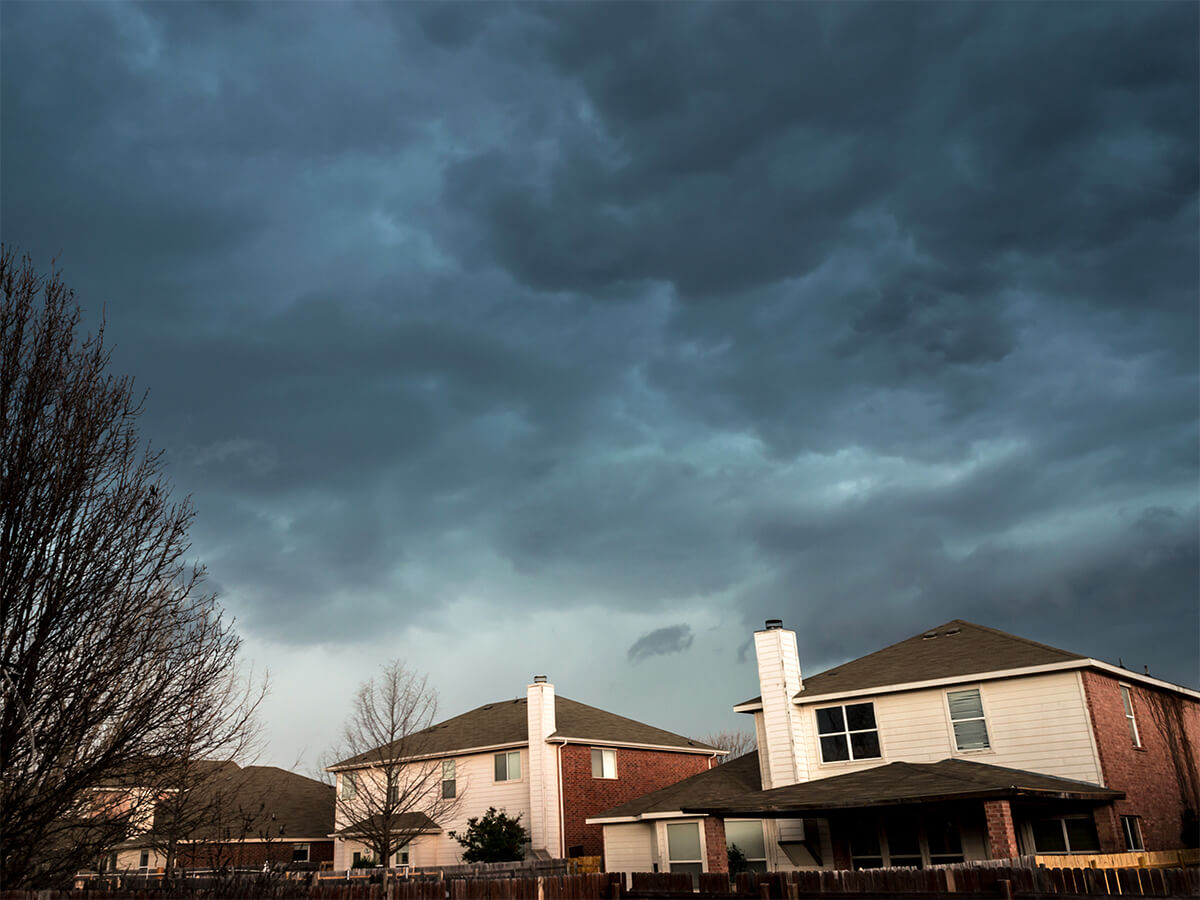
With ocean temperatures and sea levels gradually rising, Atlantic Canada is experiencing more intense hurricanes with increased rainfall. In other parts of the country – like the Prairies, Ontario and Quebec – there has been a noticeable uptick in severe windstorms and thunderstorms. Canada also sees its fair share of tornadoes, ranking second only to the United States, especially between April and September.
And while it’s normal to feel concerned about these storms, the best antidote is to prepare for them. Read on for concrete tips on how to make your home more resilient and what to do if a severe windstorm occurs in your area.
Although The Personal shares tips to help make your home more resilient to high winds, we are not storm experts. Be sure to follow advice from local authorities, storm safety professionals and your home contractor.
Phase 1: Prevention: Your first layer of protection
While you can’t prevent a windstorm, there are effective steps you can take, either on your own or with the help of professionals, that can help make a big difference in limiting wind damage to your home.
Be ready: A storm preparedness checklist
Be proactive and prep your home before a storm hits.
- Maintain your gutters
Since major wind events often involve both wind and rain, make sure your gutters are in good working order and that water drains away from your house. - Cut back overhanging branches
Hire a professional to trim any branches that could fall on electrical wires, break windows or damage your home during a storm. - Inspect your roof shingles
Have a professional check that shingles are in good condition and not loose to prevent them from being torn off by strong winds. - Reinforce your roof components
Have a professional securely fasten fascia and soffits to the structure to prevent them from catching the wind. - Anchor verandas, terraces and carports
Ensure these structures are firmly anchored to the ground to withstand high winds.
Wind warning? Secure your home in a hurry.
- Secure outdoor items
Stow away garbage cans, recycling bins, garden furniture, barbecues and any other loose items that could be picked up by the wind. - Protect your vehicle
If possible, park your car in a garage. If not, choose a location away from trees, streetlights and power lines to reduce the risk of damage. - Close and lock all openings
Before the storm hits, ensure all windows, shutters and doors are securely closed and locked to prevent wind and water from entering your home. - Shut off propane equipment
If you use propane-powered equipment, make sure the supply valve is closed during the storm to avoid potential hazards. - Secure your garden shed
Garden sheds are vulnerable to strong winds. Ensure there are no large wind intakes or air inlets (such as gaps under the structure or broken windows).
Early warnings are key! Another proactive measure you can take is to download weather notification tools like RadarTM (via The Personal Home-Auto app), which alerts you when high winds, hail, fire or heavy rains are within a 500-metre radius of your home. You can enter up to five addresses, so you can help protect not only your home, but also those of your loved ones.
Phase 2: Be the calm within the storm
Step 1: Safety first
- Steer clear of downed power lines, fallen trees and unstable debris
Strong winds can bring down trees and power lines and create unstable debris, posing a safety risk. Treat all downed lines as though they were live and report them to your local power company. - Prevent further damage
Arrange for repairs to your home as soon as possible. In the meantime, if you are able, take temporary steps – such as boarding broken windows – to prevent further damage from weather exposure. If it is safe to do so, clear any tree or shrub debris. - Hire a professional to inspect and repair the damage
If the damage is limited to your roof or siding, have a roofing or siding professional inspect the damage, provide an estimate and do the repairs. If the damage impacts multiple areas of your home, have a contractor inspect your home, provide an estimate and hire the appropriate subtrades to carry out the repairs. Don’t forget to take before and after photos for insurance purposes.
Step 2: Document the damage for your insurance claim
- Inspect and document damage
Begin by checking your property and vehicles for any signs of damage. Although it’s normal to want to start cleaning up right away, be sure to take photos or videos and make a detailed list of affected items beforehand, as this will provide key evidence for your insurance claim. - Keep all receipts
Keep all receipts if you’re paying for clean-up services or buying cleaning or repair materials.
Step 3: Contact your insurance provider
Have strong winds damaged your home? Reach out to your insurer right away. With The Personal, you can file your claim online online by logging in to Online Services or The Personal Home-Auto app and filling out the form. Be sure to set up your account or download the app in advance so you’re ready in case a fire affects you.
Phase 3: Build a stronger home for the future
If you’re planning to renovate or repair your home post disaster, it’s a good opportunity to build back stronger and invest in your future by speaking with a qualified professional and considering the following impact-resistant materials that may make your home more resilient in the long term.
The roof: Your first line of defence
- Reinforce the roof structure
Use hurricane straps (metal tabs) to anchor the roof to the structure and improve wind resistance. - Install a full roof membrane
Before installing a new roof covering, apply a self-adhesive waterproof membrane over the entire roof, not just the edges, to improve protection against water infiltration. - Install Class 4 impact-resistant shingles for enhanced durability.
- Use thicker plywood panels
Before installing new roof sheathing, ensure the plywood panels are at least 15 mm thick to increase resistance to strong winds. - Fasten panels securely
Use ring-shank nails to attach the plywood panels to the roof structure. These nails grip like screws and should be installed every 6 inches along the trusses for maximum hold. - Reinforce or install solar panels
Ensure solar panels are installed or upgraded in compliance with the CSA SPE-900 standard for wind and hail resistance. - Replace old roof vents
Install new vents designed to resist high winds for better protection.
Doors and Windows: Points of vulnerability
- Install impact-resistant windows or storm shutters
Upgrade your windows to impact-resistant models or add storm shutters to help protect against flying debris during severe weather. - Reinforce the garage door
Install a sturdy deadbolt and sliding bolts at the top and bottom of the garage door. If purchasing a new door, choose one specifically designed to withstand high winds.
Siding: A crucial layer of protection
Replace vulnerable siding
If possible, swap out wind-susceptible siding like vinyl for more durable options, such as fibre-cement siding, which offers better resistance to high winds.
Building a more resilient home
Extreme winds are on the rise, with serious implications for homeowners. And while you cannot stop a windstorm, you can be prepared and take action to make your home more resilient today – and into the future. The checklist provided in this article is a good starting point. And The Personal is here to help, with tools like the Radar weather alert service and our Resilient Home advice and resources, to give you peace of mind.
For further information, check out our comprehensive guide on how to make your home more resilient to flooding, windstorms and hailstorms.
Was this article helpful? Be sure to take a look at our other articles on what to do after an extreme weather event. And feel free to contact The Personal if you have specific questions about wind damage coverage under our insurance policies.