
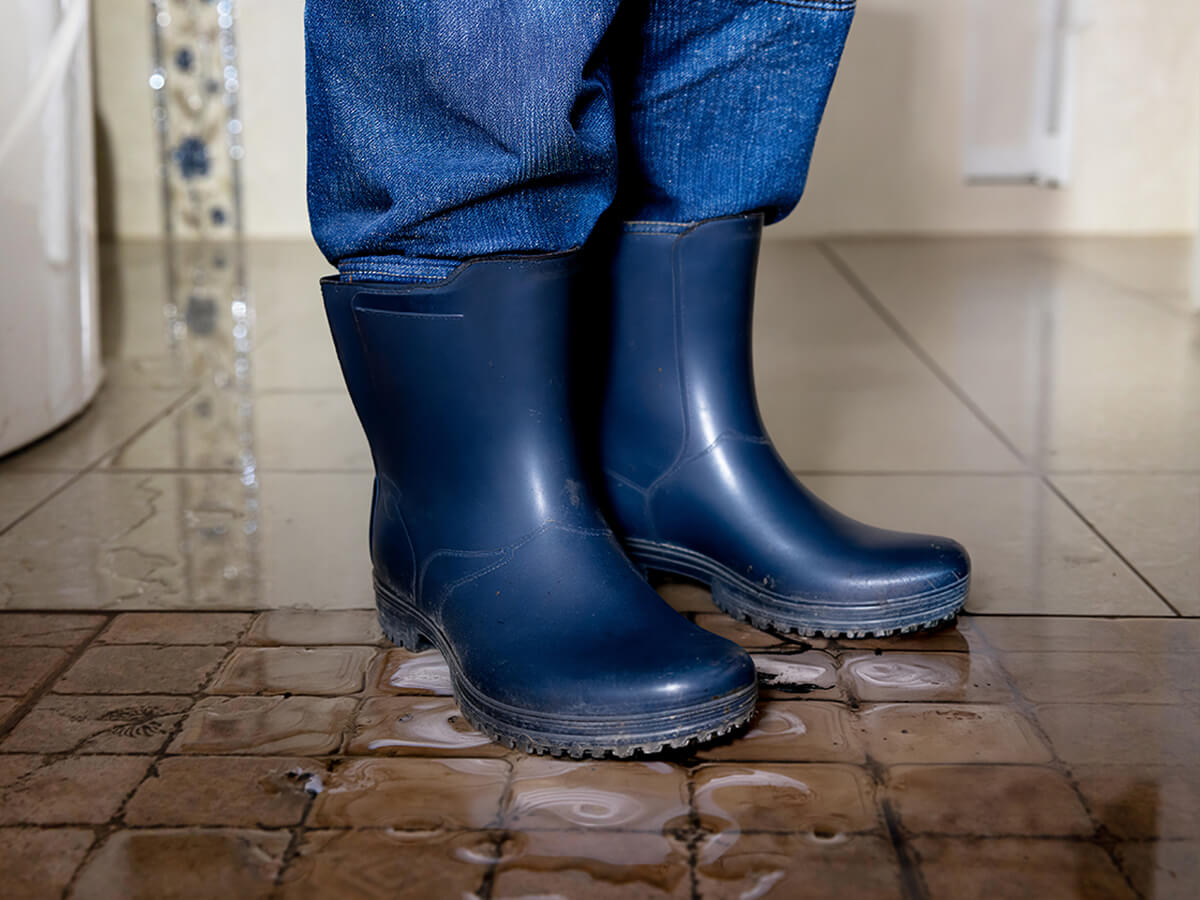
What is a sewer backup?
A sewer backup happens when a building’s plumbing can no longer drain rain or wastewater into the municipal system. If sewer pipes get overloaded, clogged or damaged, sewage can back up through a floor drain, toilet or other low-level fixture, resulting in damage.
What causes a sewer backup?
A sewer backup can happen for many reasons. The most common causes include:
- Heavy rain or rapid snowmelt, which can overwhelm the municipal sewer system.
- Plumbing problems, such as a missing, broken or blocked backwater valve.
- Clogged pipes, often caused by grease, food scraps, wipes or other items flushed down toilets or poured into sinks.
- Older sewer pipes, which can crack, wear down and sometimes even collapse with time
In some cases, a backup can be caused by a combination of factors. For example, heavy rainfall combined with a faulty backwater valve, or grease buildup within aging infrastructure.
How can you help prevent a sewer backup?
Here are 3 practical steps you can take to help reduce the risk of water backing up into your home, creating unwanted stress. Getting help from experienced professionals is always worth considering. The price for their expert knowledge is just a drop in the bucket compared to what water damage could end up costing.
Install a backwater valve
- Have a backwater valve installed that is suited to your sewer system to help reduce the risk of backflow.
- Make sure the valve remains accessible and in good working condition, particularly through periodic inspection and maintenance.
Maintain your plumbing system
- Watch for early warning signs such as unpleasant odours, mould, water stains and leaks.
- Never pour fats or oils down the drain (toilets, sinks, etc.), as they can build up, harden and cause blockages.
- Don’t flush paper towels, wipes (even those labeled “flushable”), diapers or feminine hygiene products down the toilet.
- User your garbage disposal properly by running water before and after to wash away food waste.
Manage rainwater and snowmelt
- Disconnect the downspouts connected to the foundation drain or the drainage system to prevent overloading the municipal sewer system and to reduce the risk of backflow.
- Extend your downspouts so that rainwater runs away from your foundation and gets absorbed quickly (flowerbeds, gardens, dry wells, etc.).
- Make sure the ground slopes away from your home to keep water away from your foundation and allow for proper drainage
- Avoid non-porous landscaping like asphalt or concrete close to your house, which doesn’t absorb rainwater.
- Consider installing rain barrels to collect rain for future use.
Get professional help
To find the best solution for your home, consider calling on a certified professional. A DIY approach always carries a certain amount of risk, since you could miss important details despite taking the time to do things correctly. Here are three cases where relying on experienced professionals could help limit potential complications:
Backwater valve installation
Backwater valves are designed to prevent wastewater from flowing back into your home by closing automatically when needed. Depending on your home and plumbing setup, you may need one or more valves to help protect your property. If you don't have a backwater prevention valve or want to make sure it's working properly, contact a licensed plumber. You can also check with your local municipality for information on approved backwater valves and available rebates. Check ahead to see if you could save on your home insurance premium.
Sump pump installation
In certain areas where water tends to build up, a sump pump can help manage groundwater. By helping to maintain a controlled water level around the foundation, it reduces the risk of water damage and helps limit impacts during periods when drainage systems are overloaded. Most sump pumps last about 10 to 15 years, depending on use and maintenance.
Sewer drain inspection
Get a professional to inspect the drain with a sewer camera to check for holes or obstructions like tree roots, which can cause drainage issues.
What to do if a sewer backup happens
Even when you plan ahead to prevent issues, there’s only so much you can do. That’s why it’s important to know how to respond if a sewer backup does happen.
- Stay out of contaminated water that enters your basement, especially if there are electrical outlets nearby.
- Don’t use any of the plumbing until the blockage has been fixed.
- Turn off power at the electrical panel, but only if you can do so safely (without stepping in water or touching wet surfaces).
- Contact:
- Your electrical utility or a licensed electrician for help.
- Your local public works department or a licensed plumber to have them determine the source of the problem.
Do you have sewer backup insurance?
Having sewage back up into your basement can be dangerous to your health and costly to repair, especially if your basement is finished or you store valuable items. Because coverage can vary depending on your policy and any optional add-ons, it’s always a good idea to check whether your home insurance includes sewer backup coverage and to understand how much protection it provides. A home inventory can also help you compare the value of your belongings with your policy limits to see if you have adequate coverage in the event of a claim.
Want to know more about home group insurance with us?
Learn more about our simple, flexible home insurance.
More tips to help protect what you care about
How to prevent snow and ice damage on your house
A complete guide to preparing your home for high winds